His Majesty, King Bhungane III, is a sovereign for a new era, a leader who embodies the profound duality of his heritage and his vision. Named for the legendary King Bhungane II, the great architect of the Abambo nation who led his people to new heights, Bhungane III carries the weight of this legacy with a modern purpose. He is a comrade king in the truest sense, fully participating in the liberation struggle of South Africa against the Apartheid Government, sentenced to Robben Island, and joining the Military Wing of the African National Congress (uMkhonto weSizwe) in exile — a leader who walks with his people, not above them. His philosophy is rooted in the ancient African principle of Ubuntu, recognizing that his own humanity is inextricably bound to that of his community.
King Bhungane III’s vision is both a return to roots and a bold leap forward. He envisions the Embo Kingdom as a beacon of sustainable development and cultural preservation, a modern polity that draws its strength from the wisdom of its ancestors. His mission is to forge a nation where tradition and progress are not in conflict, but in concert; where the community's well-being is the ultimate measure of success; and where the kingdom stands as a respected partner in the global community, championing peace, innovation, and mutual respect. He is not just a ruler of land, but a guardian of a people's spirit and a catalyst for their boundless potential.
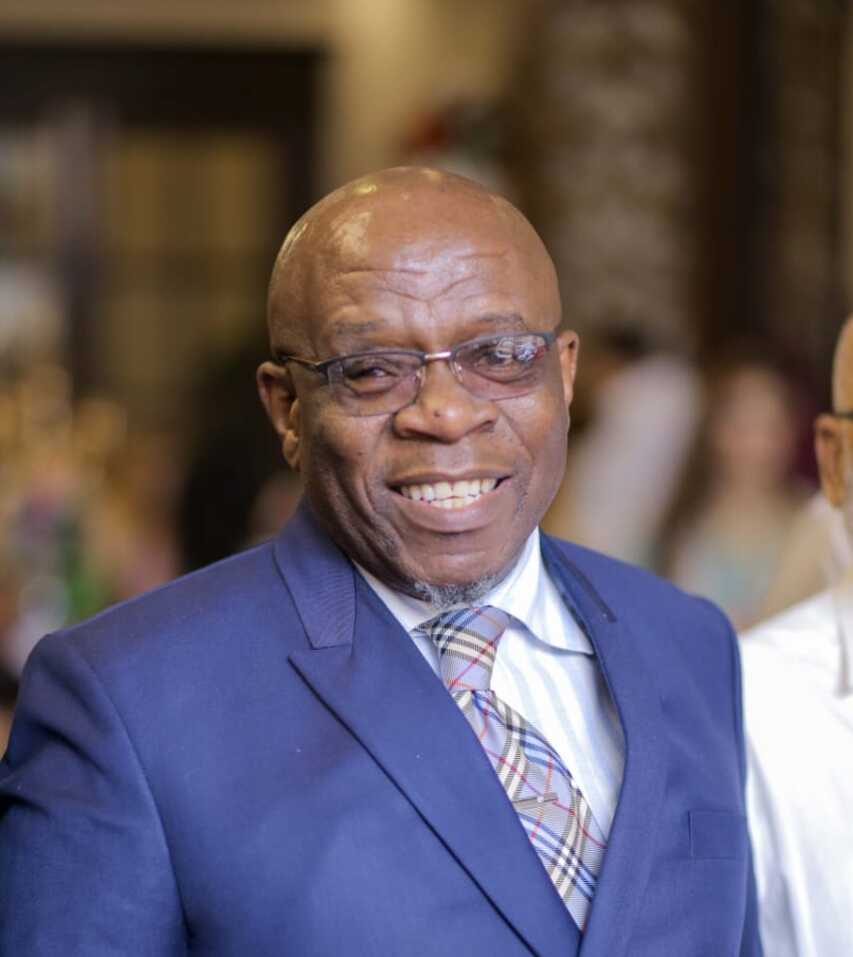
His Majesty, King Bhungane III, born Khulu Radebe, is not only the reigning monarch of the Embo Kingdom but a living embodiment of South Africa's struggle for freedom. His life story is a powerful narrative of sacrifice, artistic expression, and military valor, all in the pursuit of justice. Ascending to the throne as the rightful successor, he carries the sacred mantle of his forebears, now enriched by his unparalleled experience as a soldier, artist, and statesman.
King Bhungane III stands as a unique bridge between the enduring traditions of the AmaMbo people, the bitter crucible of the liberation struggle, and the dynamic possibilities of a democratic South Africa.
Early Life, Lineage, and Political Awakening
Khulu Radebe was born into the royal lineage of the Embo Kingdom, a heritage steeped in leadership and service. From a young age, he was immersed in the customs and values of the AmaMbo people. However, his consciousness was quickly shaped by the injustices of the Apartheid regime, steering his path from royal heir to revolutionary.
His commitment to freedom led to his arrest and conviction by the Apartheid government. In a defining moment of his early life, he was sentenced to 10 years' imprisonment, serving six years on the infamous Robben Island—a period that forged his resilience alongside other legendary figures of the struggle. The remaining four years, under suspension and house arrest, could not contain his spirit, and he made the daring decision to go into exile to continue the fight.
The Soldier and the Artist: Exile and the Battle for Freedom
In exile, Khulu Radebe’s commitment took on a dual character: that of the soldier and the cultural activist.
He joined the military wing of the African National Congress (ANC), uMkhonto weSizwe (MK), in Angola. His dedication to the armed struggle was proven on the battlefield. He trained and fought with distinction in the historic Battle of Cuito Cuanavale in 1988, a pivotal engagement where Cuban and FAPLA forces, alongside MK soldiers, decisively repelled the South African Defence Force. This battle changed the political landscape of Southern Africa and accelerated the path to Namibian independence and the end of Apartheid.
Parallel to his military service, he wielded a different weapon: his drum. A gifted musician, he joined the legendary Amandla Cultural Ensemble, led by the iconic Jonas Gwangwa. As a drummer and performer with Amandla, he toured the world, using the power of music and culture to rally international support against Apartheid. During this time, he shared stages and collaborated with a constellation of South African musical giants, including Bheki Mseleku, Hugh Masekela, and Abdullah Ibrahim, using art to fight for his nation's soul.
Ascension to the Throne and National Leadership
Following the unbanning of the ANC and the dawn of democracy in 1994, Khulu Radebe was able to return to South Africa and fully embrace his royal destiny. He was formally installed as King Bhungane III, a name honoring the great AmaMbo kings of the past.
His commitment to the new South Africa remained unwavering. His expertise and leadership were recognized at the highest levels, leading him to serve on the National Executive Committee (NEC) of the ANC during President Thabo Mbeki's administration. In this role, he helped shape national policy, bringing the perspective of both traditional leadership and a seasoned liberation veteran to the table.
"My journey from the cell on Robben Island to the throne of my ancestors was not for power, but for service. The same spirit that fought in Cuito Cuanavale and played the drums for Amandla now works to build a prosperous Embo. Our struggle continues, from freedom to fulfillment."
- His Majesty, King Bhungane III
A Life of Service
King Bhungane III's life is a testament to unwavering commitment. He is a father, a grandfather, a king, a soldier, an artist, and a statesman. Each role informs the other, creating a leader of profound depth, resilience, and vision.
Long May He Reign! | Wenze njalo wena kaQangi!
Prepare for an unforgettable journey with The Comrade King, the riveting biography of Khulu Radebe, a man whose life reads like an epic saga torn from the heart of South Africa's struggle. This is the story of a royal heir who traded his birthright for a rifle and a drum, becoming a soldier, a prisoner on Robben Island, and a celebrated artist in exile. Co-authored with Jeff Kelly, this powerful narrative traces Radebe's path from the brutal battlefields of Cuito Cuanavale to the world stages where he played alongside jazz legends like Hugh Masekela, all while carrying the unwavering hope of a nation. It is a profound testament to the spirit of a man who waged war with a gun in one hand and culture in the other.
More than just a chronicle of historical events, The Comrade King is a masterclass in transformative leadership and the enduring power of sacrifice. It reveals how Radebe’s diverse roles—as an MK soldier, an Amandla Cultural Ensemble drummer, an ANC NEC leader, and finally, King Bhungane III of the Embo—converged into a single, purposeful life of service. This book is not only a vital addition to the history of the anti-Apartheid movement but also an inspiring blueprint for anyone believing in the power of resilience and the pursuit of justice. Discover the unforgettable story of the comrade who became a king, and the king who never stopped being a comrade to his people.